
The six pillars of Vitality are integrated to enhance your health span. Health span differentiates itself from life span, as it relates to the length of time that a person is healthy – not just alive. Movement is the first pillar discussed as it is the most powerful influencer of health span. Living an active life helps an individuals vitality by:
- Reducing cognitive decline
- Optimizing physical health
- Managing emotional health
Those who regularly exercise and stay active can improve quality of life, decrease the chance of heart disease, improve cognitive health, improve physical function, and reduce falls. The content below deep dives into the four components of movement: Mobility, Strength, Metabolic, and Power.
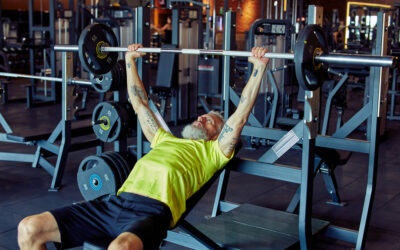
Strength Is Trainable at Any Age — The Science Is Clear
One of the most persistent myths in aging and fitness is that muscle loss is inevitable and that meaningful strength gains are no longer possible later in life. The evidence does not support this belief. A 2023 systematic review and meta-analysis published in Sports...

Integration Is Where Habits Become a Lifestyle
Why journaling, daily readiness, and weekly planning turn intention into consistency Most people don’t struggle with knowing what to do for their health. They struggle with doing it consistently. By the time January ends, motivation has usually faded, not because...

A Simple Longevity Self-Screen You Can Do at Home
Evidence-Based Tests That Reveal How You’re Aging Longevity isn’t about predicting how long you’ll live. It’s about understanding how well your body functions today, and whether it’s adapting, maintaining, or declining over time. Across aging, cardiovascular, and...

Inside the Vitality Screening: Building the Baselines for Active Aging
Active aging is not about avoiding decline, it is about preserving capacity. The ability to move confidently, generate strength, recover efficiently, regulate stress, and remain engaged with life is built through intentional action guided by meaningful information....

Where Vitality Begins: Understanding Your Starting Point
Most of us go through the day without thinking Most people approach their health with good intentions, but the wrong starting point. They jump into new workouts, nutrition plans, supplements, or routines hoping something will finally “stick.” Sometimes it does,...
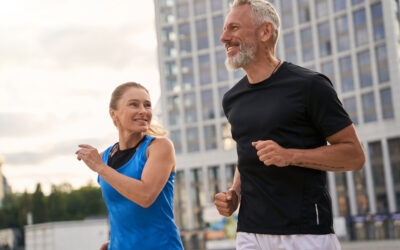
How to Move More and Move Well: The 4-Pillar Weekly Exercise Plan for Longevity
If you want a longer life and a better life, it starts with movement. This isn’t just about “exercising.” It’s about training your body to last. To live better, longer. Movement is the first domino. It rewires your biology, sharpens your focus, regulates stress,...

Why Strength Training Is the Foundation of All Fitness as You Age
At the Arnold Fitness Expo in Columbus, Ohio, Rob Gronkowski, one of the NFL’s most dominant tight ends, turned to Arnold Schwarzenegger and said, “Thank you for inspiring me to start lifting weights. Without strength training, I wouldn’t have been able to brush off...

Grip Strength and Brain Health: A Powerful Connection
When we think about brain health, we often focus on cognitive exercises, diet, or sleep. However, a less obvious but equally important factor is grip strength—a simple yet powerful indicator of both physical and mental well-being. Scientific studies, including...

The Importance of Regular Assessments in Your Health Journey: Part 2
In the first part of this series, we explored the critical role of movement in preventing cardiovascular events and metabolic disease. Now, we turn our attention to an equally important aspect of health and longevity: regular assessments. Understanding where you stand...

The Role of Movement in Preventing Cardiovascular and Metabolic Diseases Part 1
In today’s fast-paced world, we often overlook the significance of regular movement and exercise in preventing some of the most common chronic health conditions. Cardiovascular disease (CVD) and metabolic syndrome are two of the leading causes of morbidity and...

The Benefits and Considerations of Cold Water Immersion for Delayed Onset Muscle Soreness
Cold water immersion (CWI) is widely used by athletes and fitness enthusiasts to alleviate delayed onset muscle soreness (DOMS) following intense exercise. While it offers notable benefits in reducing soreness and improving the perception of recovery, understanding...
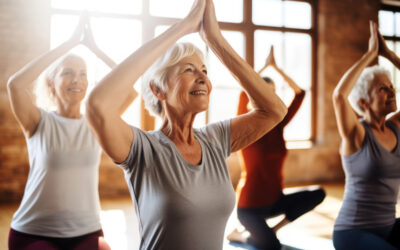
Zone 2 and VO2 Max Training Benefits for Dementia Prevention
Dementia is a growing concern worldwide, with millions of people affected by cognitive decline as they age. While there is no cure for dementia, research has shown that certain lifestyle interventions, including physical exercise, can significantly reduce the risk of...