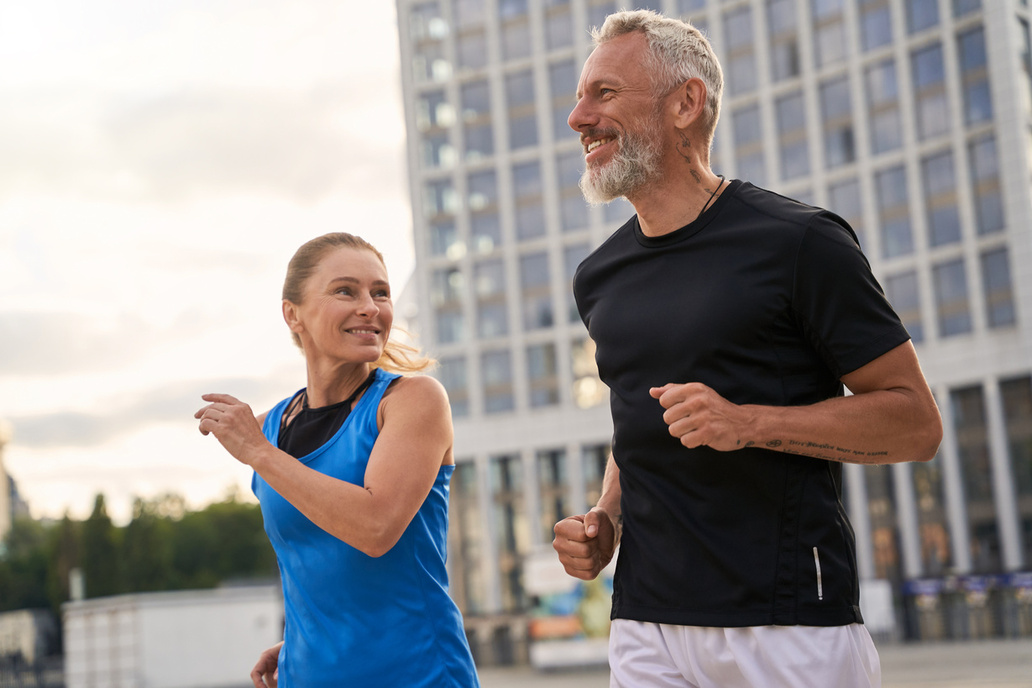


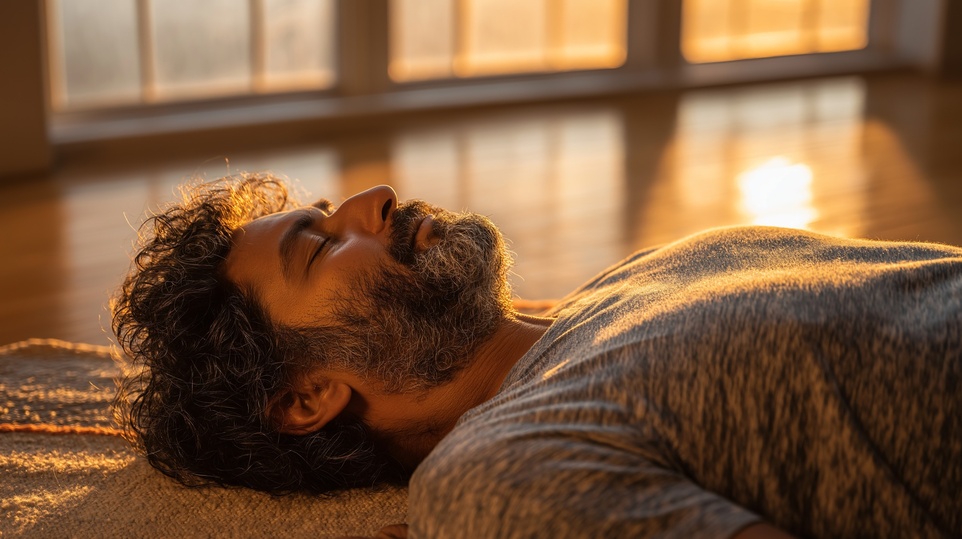

If you want a longer life and a better life, it starts with movement. This isn’t just about “exercising.” It’s about training your body to last. To live better, longer. Movement is the first domino. It rewires your biology, sharpens your focus, regulates stress, improves sleep, and transforms metabolism. But here’s the truth: most people don’t move enough. And even fewer move the right way.
The Four Pillars That Make Movement Matter
At Vitality, we don’t believe in random workouts. We train with intention, using a proven framework that builds mobility, strength, metabolic fitness, and power.
-
Mobility: Opens joint range, restores tissue quality, and balances the nervous system.
-
Strength: Builds the capacity to move with control, protect joints, and maintain muscle.
-
Metabolic: Improves energy systems, insulin sensitivity, and cardiovascular endurance.
-
Power: Trains speed, agility, and reaction time, key to avoiding falls, injuries, and decline.
Each pillar activates different systems in the body. And when integrated, they build a more resilient, adaptive, and youthful body. This isn’t a bodybuilding split. This is human performance for aging well.
The Vitality Standard: 6–8 Hours per Week
At Vitality, we recommend a 6–8 hour movement goal each week, broken down like this:
-
30% Mobility (1.8–2.4 hrs)
-
30% Metabolic (1.8–2.4 hrs)
-
20% Strength (1.2–1.6 hrs)
-
20% Power (1.2–1.6 hrs)
This structure is grounded in research from ACSM, NASM, and top functional medicine leaders. We’re not training you to pass a physical. We’re training you to climb stairs at 90, play with your grandkids, stay independent, and enjoy your life.
Why the Integrated Blend Matters
Too many people overdo one form of movement while ignoring the others. But real-world resilience requires a full-spectrum approach.
-
Mobility keeps you moving freely.
-
Strength gives you control and protection.
-
Metabolic builds stamina and cardiovascular health.
-
Power keeps you reactive, fast, and safe as you age.
Each one matters. But together, they create something rare, durability. This is why we built the Vitality Movement Meter, so you can track your weekly blend and build a body that’s not just fit… but built to last.
Why Vitality Recommends More Than the Guidelines
Yes, the U.S. Physical Activity Guidelines recommend a baseline: 150–300 minutes of moderate aerobic activity + 2 strength sessions weekly.
But that’s the floor, not the ceiling.
Dr. Peter Attia, author of Outlive, says:
“The Centenarian Decathlon is about training today for the things you want to be able to do decades from now. You must train for the future you.” He emphasizes training harder than you think you need to, especially if you want to avoid sarcopenia, falls, cognitive decline, and metabolic dysfunction.
Dr. Andrew Huberman adds:
“Physical exercise is the most powerful stimulus we know for promoting neuroplasticity, hormone balance, and long-term health.”
These experts aren’t telling you to meet the minimums. They’re telling you to raise your standard. Train like someone 10 years younger, and you’ll feel like someone 10 years younger.
Movement Is Medicine—Literally
The science backs it. A 2021 JAMA study found that walking just 7,000 steps per day led to a 50–70% lower risk of death over the following decade, compared to those taking fewer than 5,000 steps.
But the power isn’t in the steps, it’s in the muscle contractions.
Every time you move, you pump blood, circulate lymph, regulate blood sugar, stimulate mitochondria, and release BDNF, a brain-boosting, anti-aging molecule.
It’s not the movement that matters most, it’s the signal it sends to your cells.
Whether you’re walking, doing a mobility flow, or lifting a sandbag, you’re not just exercising. You’re triggering biological renewal.
How to Move More (Even If You’re Busy)
Getting 6–8 hours of movement weekly doesn’t mean living at the gym. It means strategic integration. Here’s how to start today:
-
Start with 10 minutes. Walk, stretch, or move, right now. Momentum matters more than intensity.
-
Stack it onto existing routines. Stretch while coffee brews. Walk during calls. Do mobility during Netflix.
-
Use what’s around you. Stairs, bodyweight, resistance bands, med balls, it all counts.
-
Use your Vitality Weekly Planner. Don’t guess. Plan it. Write it down. Track it.
Small, frequent doses are better than occasional extremes. Write it. Track it. Adjust it. That’s how habits are built.
References
-
U.S. Department of Health and Human Services. Physical Activity Guidelines for Americans, 2nd ed. https://health.gov/paguidelines
-
Attia, Peter. Outlive: The Science and Art of Longevity. 2023.
-
Huberman, Andrew. Exercise & the Brain. Huberman Lab Podcast #283.
-
American College of Sports Medicine (ACSM). Guidelines for Exercise Testing and Prescription, 11th ed.
-
National Academy of Sports Medicine (NASM). NASM Essentials of Personal Fitness Training, 7th ed.
-
Dynamic Performance & Recovery. https://dynamichealthfitness.com/what-type-of-movement-should-i-be-doing/
-
Exercise Training Manual 3.0. Dynamic Health & Fitness
-
Paluch AE, et al. Steps per Day and All-Cause Mortality in Middle-aged Adults. JAMA Netw Open. 2021;4(9):e2124516. https://jamanetwork.com/journals/jamanetworkopen/fullarticle/2783719
ABOUT US
Founded in 2001, The team at Dynamic Health And Fitness believes that individuals must take a proactive, integrated approach on their personal vitality. Our mission is to provide the strategies and techniques necessary for individuals to enhance their lives and also impact those around them. We provide cutting edge programming that fuels our performance center and suite of mobile apps. Our goal is to become a leading resource for individuals, groups, and companies to create a needed shift in health.
The DHF Performance Center is located in the Syracuse, NY area and boasts world class training facilities with cutting edge technology to assist our clients in achieving their health, wellness, and performance goals.