




Using breath to stay calm, regulate your nervous system, and get the most out of cold exposure
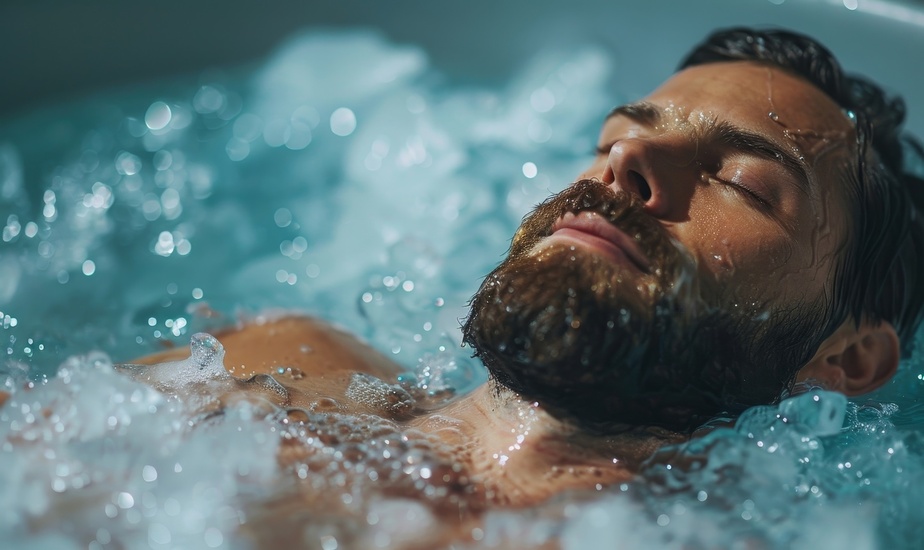
Ice baths, cold plunges, cold showers, wild swimming. However you get your cold water fix, your breath is arguably the most important ally during the experience.
At Dynamic Performance & Recovery, many clients experience cold immersion through the cold plunge in our Restore program, where breath control becomes the key to turning an intense moment into a powerful training opportunity for the nervous system.
If there is one thing you can guarantee with cold exposure, it’s this: the cold will try its best totake your breath away. This is why learning how to breathe during a cold plunge or ice bath can make the difference between feeling overwhelmed and feeling in control.
That initial gasp response is part of the body’s natural survival reflex known as the cold shock response. Breathing becomes rapid and shallow, heart rate increases, and the nervous system quickly shifts into fight-or-flight mode. This response is strongest in the first 20–30 seconds of cold exposure, which is why learning to regulate your breathing during that initial moment is so important. This is where breath training becomes incredibly powerful. When you learn to regulate your breathing in the cold, you are doing more than simply getting through the plunge. You are training your nervous system to stay calm under stress, a skill that transfers into workouts, recovery, and everyday life.
Potential Benefits of Cold Water Therapy
Modern research and athlete recovery protocols use cold immersion for a variety of potential benefits:
- Supports Immune Resilience Cold exposure may support immune function through mild stress adaptation (hormesis), though research is still evolving.
- Supports Circulation Exposure to cold causes blood vessels to constrict and then reopen afterward, creating a pumping effect that supports circulation and helps manage inflammation.
- Enhances Mental Clarity Cold water triggers the release of adrenaline, norepinephrine, and endorphins, often leaving people feeling energized, focused, and mentally sharp.
- Supports Recovery Athletes frequently use cold immersion to reduce muscle soreness and support recovery after intense training, though timing may matter depending on the training goal.
- Strengthens Nervous System Resilience Cold exposure challenges the body’s stress response, giving you an opportunity to practice regulating your breath and nervous system under controlled stress. This is exactly where breathwork becomes the bridge between stress and control.
Experience Cold Plunge at DPR
Cold water therapy is also available through the Restore program at Dynamic Performance & Recovery. Clients can incorporate cold plunges into their recovery routine alongside sauna, breathwork, and other recovery modalities designed to support nervous system regulation, circulation, and overall resilience.
Learning how to control your breathing during cold exposure can dramatically improve the experience, turning the plunge from a stressful shock into a powerful tool for recovery and nervous system training.
The Role of Breathwork in Cold Exposure
When you enter cold water, the body experiences a powerful cold shock response, which includes:
• rapid breathing
• increased heart rate
• elevated stress hormones
Without breath control, this response can feel overwhelming. By intentionally slowing your breathing, you help activate the parasympathetic nervous system, the body’s calming system, allowing you to stay present and composed in the cold. Breathwork practitioners like Kristin Weitzel and cold exposure coaches like Chuck McGee III emphasize that the goal isn’t to fight the cold, but to remain calm within it. The breath becomes your anchor.
Best Breathing Practices for Cold Water
Therapy
Cold exposure becomes much more manageable when you think about breathing in four simple phases: prepare, enter, regulate, and maintain calm breathing.
1. Prepare the Breath (Before You Enter)
Preparation starts before your body even touches the water. Notice any resistance showing up mentally or physically. Often your breathing has already become faster and more shallow just thinking about the cold.
Instead:
• Breathe slowly through the nose
• Let the breath expand into the belly and ribs
• Gradually lengthen your exhale
Take five slow, steady nasal breaths before entering the water. Longer exhales help signal safety to the nervous system and reduce the stress response before the plunge.
2. Enter with the Exhale
One powerful technique used by many cold exposure coaches is entering the water during a slow exhale.
Take a full inhale through the nose.Then as you slowly exhale through the mouth, step into the water and lower yourself down. Exhaling as you enter helps soften the gasp reflex and encourages the body to stay relaxed.
3. Regulate the Breath
Once you’re in the water, the cold will likely trigger a brief moment of rapid breathing.
This is normal.
Your job is not to eliminate it instantly, but to regain control as quickly as possible.
Focus on:
• Inhale through the nose
• Exhale through the mouth
• Gradually slow the breath down by lengthening the exhale
Think of this stage as settling the nervous system. Within about 20–30 seconds, most people can begin regaining control of their breathing.
4. Maintain Calm Breathing
Once the initial shock passes, shift back to gentle nasal breathing in and out of the nose if possible. Slow, controlled breathing helps stabilize heart rate and keeps your nervous system from escalating into panic. Breathing through the nose helps warm and humidify the air. It also encourages deeper diaphragm engagement. This is where the real training happens.
Cold exposure becomes an opportunity to practice remaining calm in discomfort; a skill that transfers into workouts, stressful situations, and everyday life.
As many experienced practitioners say:
The goal isn’t to conquer the cold. It’s to stay calm inside it.
🧊 Quick Breath Protocol for the Plunge
Before entering
• Take five slow nasal breaths
• Allow your belly and ribs to expand
• Focus on longer, relaxed exhales
As you step in
• Take a steady inhale through the nose
• Slowly exhale through the mouth as you enter the water
First 30 seconds
• Expect the gasp reflex
• Inhale through the nose, exhale through the mouth
• Gradually slow the breath without forcing it
Once settled
• Return to calm nasal breathing with extended exhales
• Keep the breath slow, quiet, and steady
• Relax the shoulders and jaw
The goal is not to fight the cold, it’s to stay calm enough to breathe well.
Safety Note
Cold water exposure can be a powerful recovery and resilience tool, but it is important to approach it gradually. Always enter the water with control, avoid breath holding in or near water, and exit if you feel lightheaded, numb, or unwell. Individuals with cardiovascular conditions orother medical concerns should consult a healthcare professional before beginning cold exposure practices.
Common Breathing Mistakes in Cold Water
Even experienced cold plungers can fall into breathing patterns that make the experience harder than it needs to be. Being aware of these common mistakes can help you stay calmer and more in control.
Fighting the Cold
Many people tense their bodies and try to “power through” the cold. This often leads to shallow, rapid breathing and increased panic. Instead, think soften rather than fight. Relax your shoulders, unclench your jaw, and allow your breathing to slow.
Hyperventilating
The initial cold shock can trigger rapid breathing. If this continues, it can make you feel dizzy or anxious. Focus on gradually slowing the breath rather than trying to stop it all at once.
Holding the Breath
Some people instinctively hold their breath when the cold hits. While this might feel natural, it can increase tension and elevate stress in the body. Instead, keep the breath moving and controlled, allowing the exhale to release tension.
Breathing High in the Chest
Cold exposure often causes the breath to rise into the upper chest. Try to guide the breath lower into the belly and ribs so the diaphragm can move freely.
Forgetting the Exhale
When people feel stressed, the inhale often becomes dominant. But the exhale activates the body’s calming response. Focus on long, relaxed exhales.
Final Thoughts
Cold exposure is powerful, but your breath determines the quality of the experience.
When you combine cold water therapy with intentional breathing, you transform the plunge from a shock to the system into a training ground for resilience.The cold will always challenge you.
Your breath is what helps you meet that challenge with calm, control, and clarity. At Dynamic Performance & Recovery, we often say: the cold is the stimulus, but the breath is the skill. Learning to regulate your breathing can transform not only your cold exposure practice, but how you respond to stress in everyday life – both in and out of the cold.
If you’re interested in learning more about breath training or experiencing cold exposure in a supported environment, Dynamic Performance & Recovery offers private breath training, group breath classes, and cold plunge sessions through the Restore program.
_______________________________________________________________________________________________
References
Tipton, M. J. (2017). Cold shock response and initial responses to cold water immersion.
Extreme Physiology & Medicine.
Bleakley, C., et al. (2012). Cold-water immersion (cryotherapy) for preventing and treating muscle soreness after exercise. Cochrane Database of Systematic Reviews.
Hohenauer, E., et al. (2015). The effect of post-exercise cryotherapy on recovery characteristics.
International Journal of Sports Medicine.
Weitzel, K. Extend Podcast with Darshan Shah, MD.
https://podcasts.apple.com/us/podcast/extend-podcast-with-darshan-shah-md/id1773578243?i= 1000723850793
McGee III, C. Iced Viking Breathworks.
https://www.icedvikingbreathworks.com/
ABOUT US
Founded in 2001, The team at Dynamic Health And Fitness believes that individuals must take a proactive, integrated approach on their personal vitality. Our mission is to provide the strategies and techniques necessary for individuals to enhance their lives and also impact those around them. We provide cutting edge programming that fuels our performance center and suite of mobile apps. Our goal is to become a leading resource for individuals, groups, and companies to create a needed shift in health.
The DHF Performance Center is located in the Syracuse, NY area and boasts world class training facilities with cutting edge technology to assist our clients in achieving their health, wellness, and performance goals.